

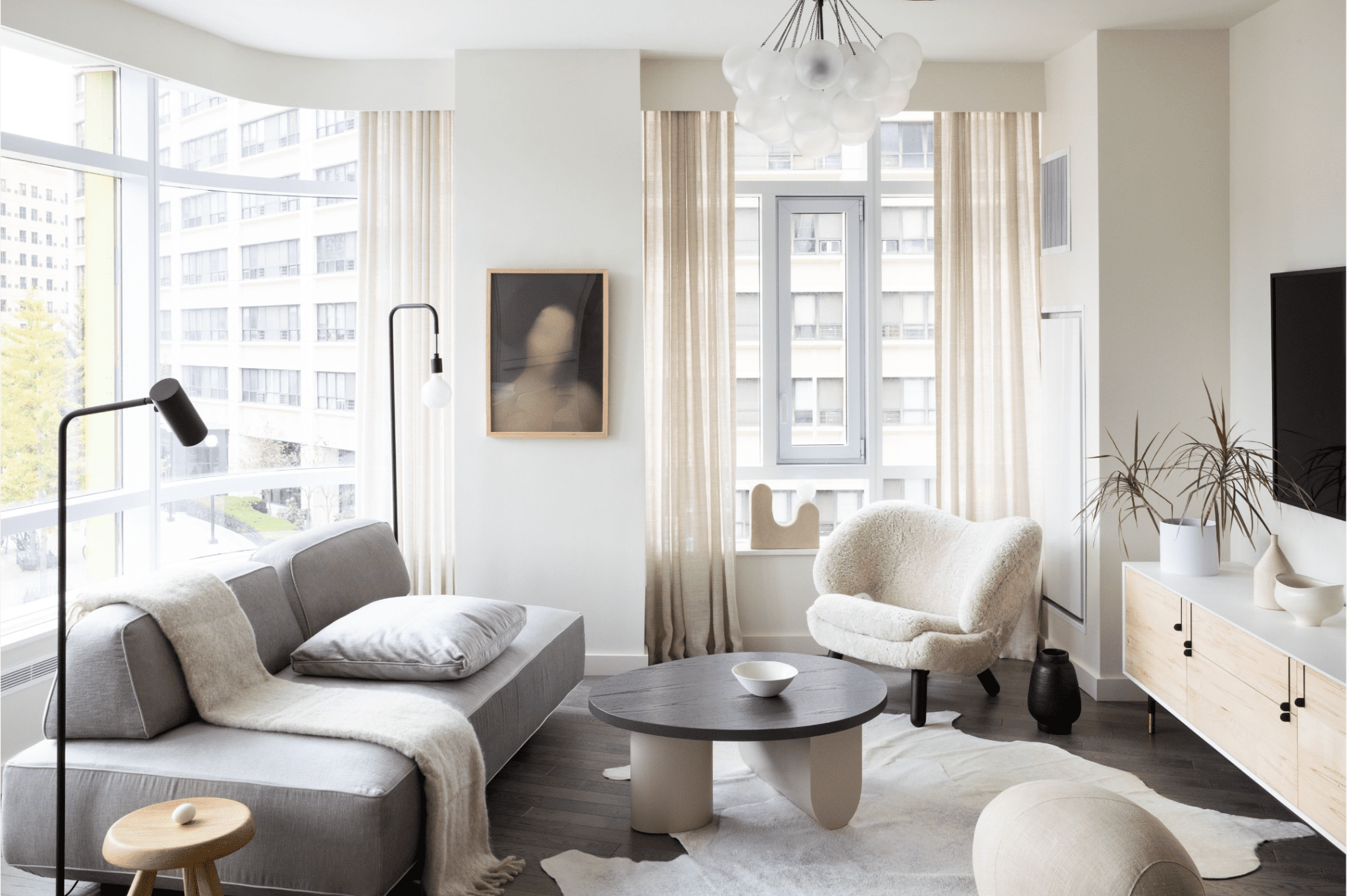
Designing a small space is less about limitations and more about smart decisions. With the right layout strategies, color choices, and furniture planning, compact homes can feel open, stylish, and highly functional. Thoughtful interior design allows every corner to contribute meaningfully to comfort and usability without overcrowding the room.
These practical ideas help transform small interiors into organized, visually spacious environments that feel both modern and welcoming.
Choose Light and Reflective Color Palettes 🎨
Color plays a major role in how large or small a space feels.
Light shades naturally reflect more light and create an airy appearance.
Best color options include:
- Soft whites
- Light greys
- Beige tones
- Pastel shades
- Warm neutrals
Using a consistent palette across walls and furniture also reduces visual interruptions, helping the space appear larger.
Use Multi-Functional Furniture Strategically 🛋️
Furniture should serve more than one purpose whenever possible in compact homes.
Smart furniture choices include:
- Sofa beds for guest accommodation
- Storage beds with hidden drawers
- Foldable dining tables
- Nesting tables for flexible layouts
- Ottomans with internal storage
These solutions reduce clutter while increasing functionality.
Maximize Vertical Space Instead of Floor Area 📚
When floor space is limited, upward space becomes extremely valuable.
Practical vertical storage ideas:
- Wall-mounted shelves
- Tall wardrobes
- Hanging kitchen racks
- Vertical shoe organizers
- Floating study desks
This approach keeps pathways clear while expanding storage capacity.
Let Natural Light Flow Freely ☀️
Lighting has a powerful influence on how spacious a room feels.
Avoid blocking windows with bulky furniture or heavy curtains.
Effective lighting improvements include:
- Sheer curtains instead of thick drapes
- Mirrors opposite windows
- Light-colored blinds
- Open window layouts where possible
A well-lit room automatically feels larger and more comfortable.
Use Mirrors to Create Visual Depth 🪞
Mirrors reflect light and visually double the perceived size of a room.
Ideal mirror placement areas:
- Opposite windows
- Behind seating areas
- Entryway walls
- Narrow corridors
Large mirrors especially help create the illusion of extended space.
Keep Furniture Proportions Balanced 📐
Oversized furniture can overwhelm a small room quickly.
Instead, choose pieces that match the scale of your interior.
Helpful tips:
- Select slim-profile sofas
- Choose compact dining tables
- Prefer wall-mounted side tables
- Avoid bulky armchairs
Balanced proportions improve movement and visual clarity.
Create Defined Zones Without Building Walls 🧩
Small homes often serve multiple purposes within one room.
Instead of constructing partitions, define zones visually.
Simple zoning techniques include:
- Area rugs for seating sections
- Lighting variations between zones
- Open shelving as dividers
- Color accents for activity areas
These subtle separations maintain openness while improving organization.
Keep Storage Hidden and Organized 🧺
Visible clutter instantly reduces the perceived size of a room.
Hidden storage helps maintain a clean and calm environment.
Smart storage solutions include:
- Under-bed storage drawers
- Lift-top coffee tables
- Wall cabinets
- Built-in wardrobes
- Storage benches
An organized space always feels larger than it actually is.
Choose Furniture with Legs for Visual Openness 🪑
Furniture raised slightly above the floor creates the illusion of extra space.
This design trick allows light to travel underneath furniture pieces.
Best examples include:
- Raised sofas
- Legged TV units
- Elevated cabinets
- Slim console tables
Even small gaps beneath furniture can visually expand the room.
Add Vertical Decor Instead of Horizontal Clutter 🖼️
Decorating upward rather than outward preserves walking space.
Vertical décor ideas include:
- Tall indoor plants
- Vertical artwork arrangements
- Hanging lights
- Wall-mounted décor panels
These elements draw the eye upward, making ceilings appear taller.
Maintain a Minimal Yet Personalized Layout 🌿
Minimalism works best in compact interiors, but it should still feel warm and personal.
Balance simplicity with personality by:
- Displaying a few meaningful décor items
- Using textured cushions
- Adding indoor plants
- Incorporating layered lighting
The goal is comfort without visual overload.
FAQ: Interior Design Tips for Small Spaces
1. How can I make a small room feel taller without renovation?
Using vertical wall décor, floor-to-ceiling curtains, and tall shelving units helps visually increase ceiling height.
2. Are dark colors always unsuitable for small interiors?
Not necessarily. Dark tones can work well as accent walls when balanced with lighter surrounding elements.
3. What flooring pattern works best for compact spaces?
Large-format tiles or continuous flooring patterns create fewer visual breaks and make rooms appear larger.
4. How important is furniture placement in small homes?
Furniture placement is crucial because even minor adjustments can improve movement flow and space perception significantly.
5. Can indoor plants work in small rooms?
Yes. Choosing slim vertical plants instead of wide planters enhances freshness without occupying much floor area.
6. Should small homes avoid decorative accessories completely?
No. Limiting accessories rather than eliminating them entirely helps maintain both style and openness.
7. How do curtains influence the appearance of a compact room?
Installing curtains closer to the ceiling instead of directly above windows makes walls appear taller and rooms more spacious.
Comments are closed.