

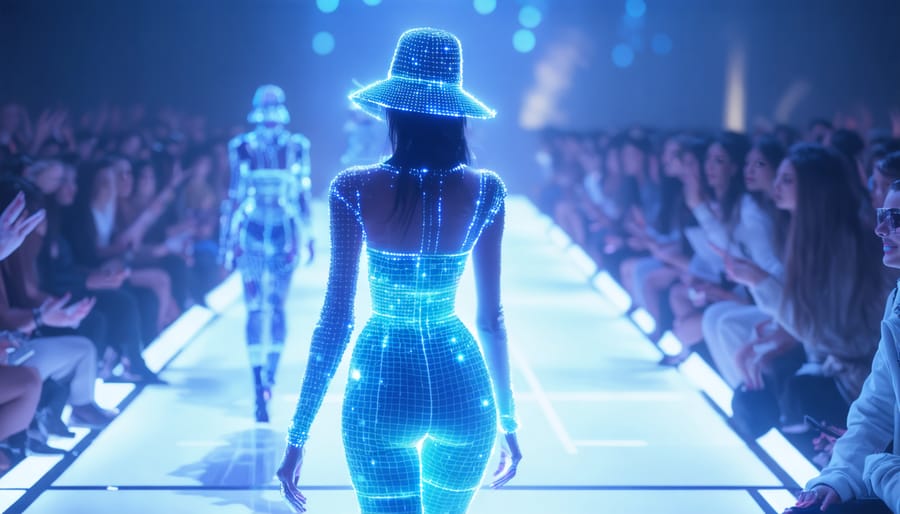
The designer fashion industry is undergoing one of the most significant transformations in its history. Technology is reshaping how garments are imagined, produced, marketed, and experienced. From AI-assisted design studios to virtual fashion shows and metaverse-ready wardrobes, the digital shift is redefining both creativity and commerce.
Rather than replacing traditional craftsmanship, digital innovation is expanding what fashion can be. Designers now operate across physical and virtual environments simultaneously—creating collections that exist both on runways and inside digital ecosystems.
The Rise of Digital-First Fashion Design
Modern designer fashion increasingly begins on screens before it reaches fabric. Digital prototyping tools allow creators to experiment faster, reduce waste, and test ideas without physical sampling.
Key developments shaping design workflows include:
- 3D garment simulation software that replaces multiple physical prototypes
- AI-driven trend prediction tools analyzing global consumer behavior
- Virtual textile rendering that replicates fabric movement realistically
- Cloud-based collaboration platforms connecting global teams instantly
This shift enables designers to iterate quickly while maintaining precision and sustainability.
Virtual Fashion Shows Are Redefining the Runway Experience
Traditional runway presentations are no longer the only stage for luxury collections. Virtual showcases now reach global audiences instantly and interactively.
Digital runways offer:
- immersive storytelling through cinematic environments
- real-time global accessibility
- reduced production costs
- stronger engagement via social platforms
Some brands now release interactive fashion presentations where viewers explore garments in 360° environments rather than watching passively.
The Emergence of Digital-Only Clothing
One of the most disruptive innovations is the rise of garments that exist entirely in digital form. These pieces are designed for avatars, gaming environments, and social media visualization rather than physical wear.
Digital fashion serves multiple purposes:
- virtual identity expression
- gaming personalization
- social media styling
- collectible digital ownership
For designers, this creates a new revenue stream without manufacturing limitations.
Artificial Intelligence Is Becoming a Creative Partner
AI is not replacing designers—it is enhancing their capabilities. Machine learning tools assist with forecasting silhouettes, predicting consumer demand, and generating concept variations.
Designers now use AI to:
- analyze global style data patterns
- accelerate mood-board development
- simulate garment fit across body types
- optimize supply chain planning
The result is faster decision-making with stronger creative precision.
Sustainability Is Driving Digital Adoption
Environmental concerns are accelerating digital transformation across designer fashion. Sampling, shipping, and overproduction historically created major waste within the industry.
Digital workflows help reduce impact by:
- minimizing fabric waste during prototyping
- lowering transport emissions
- enabling demand-based production
- supporting made-to-order business models
Luxury brands increasingly view digital design as both a creative advantage and environmental responsibility.
The Metaverse Is Expanding Fashion’s Creative Playground
Virtual environments are becoming important fashion spaces where users dress avatars just as they dress themselves physically.
Within these immersive platforms:
- designers release limited-edition virtual collections
- luxury labels sell wearable NFTs
- fashion becomes interactive rather than static
- identity becomes customizable beyond physical constraints
Digital fashion inside immersive environments is expected to become a long-term extension of brand identity.
Social Media Is Now a Primary Fashion Stage
Fashion visibility has shifted from exclusive front rows to algorithm-driven discovery. Platforms influence trends faster than traditional runway cycles ever could.
Designers increasingly create collections with digital presentation in mind:
- motion-friendly garments for short-form video
- high-contrast textures for mobile viewing
- shareable styling concepts
- augmented-reality try-on filters
Fashion is no longer only worn—it is performed digitally.
Customization Will Define the Next Era of Luxury
Digital technology allows personalization at an unprecedented scale. Consumers increasingly expect garments tailored not just to size but to identity and preference.
Emerging customization trends include:
- AI-assisted made-to-measure clothing
- avatar-based fit prediction
- digital wardrobe previews before purchase
- on-demand manufacturing
Future luxury fashion may be defined less by exclusivity and more by individual relevance.
Designers Are Becoming Experience Creators
Modern designer roles now extend beyond garment construction. They shape visual narratives across digital environments, interactive platforms, and hybrid fashion ecosystems.
Tomorrow’s designers will combine:
- craftsmanship
- storytelling
- digital visualization
- data interpretation
Fashion is evolving from product creation into multi-sensory experience design.
The Business Model of Designer Fashion Is Transforming
Digital transformation is reshaping how collections are sold and distributed.
Key changes include:
- direct-to-consumer digital launches
- virtual pre-order systems
- blockchain-based authentication
- digital collectibles tied to physical garments
These innovations strengthen relationships between designers and audiences while improving transparency and traceability.
Conclusion
Designer fashion is entering a hybrid future where creativity exists across physical and digital realities simultaneously. Technology is not reducing artistic value—it is expanding its possibilities. As virtual environments mature and consumers adopt digital wardrobes, designers who adapt early will define the next generation of luxury expression.
The future of fashion belongs to creators who understand both fabric and pixels.
FAQs About the Future of Designer Fashion in a Digital World
1. What is digital fashion in simple terms?
Digital fashion refers to clothing created using computer-based tools that can exist either as physical garments designed digitally or as virtual-only pieces worn by avatars or displayed online.
2. Will digital clothing replace traditional garments?
No. Digital clothing is expected to complement physical fashion rather than replace it, offering new creative and commercial opportunities.
3. How are fashion students benefiting from digital tools?
Students now learn 3D garment modeling, virtual prototyping, and AI-assisted design, which improves employability and expands creative exploration.
4. Are luxury brands investing in virtual fashion seriously?
Yes. Many luxury labels are experimenting with virtual collections, digital collectibles, and immersive brand experiences to engage younger audiences.
5. Can digital fashion help reduce fast-fashion waste?
Yes. Digital sampling and virtual testing significantly reduce overproduction and material waste during the design process.
6. What skills will future fashion designers need most?
Future designers will benefit from combining traditional pattern-making knowledge with digital visualization, software proficiency, and data interpretation abilities.
7. Is virtual fashion profitable for independent designers?
Yes. Digital-only garments eliminate manufacturing costs and allow independent creators to sell globally without physical inventory limitations.
Comments are closed.