

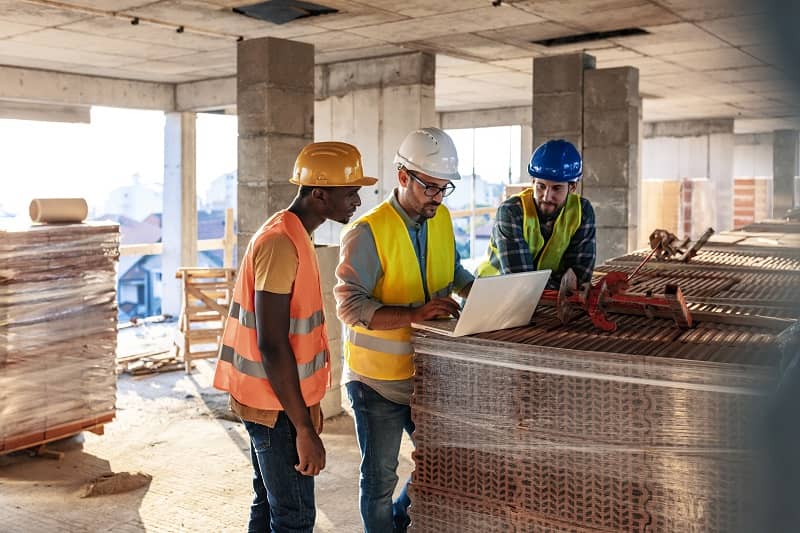
Construction projects play a pivotal role in shaping and revitalising local communities. From developing essential infrastructure to providing local job opportunities, quality construction has a ripple effect that touches many aspects of daily life. However, the true measure of a construction project’s impact extends beyond the tangible structures it creates. A well-executed project can serve as a foundation for community growth, cohesion, and long-term prosperity.
Enhancing Economic Prosperity
One of the primary benefits of quality construction is its ability to stimulate local economies. When builders prioritise hiring local labour and sourcing materials from nearby suppliers, the money spent on projects circulates within the community. This approach not only supports local businesses but also fosters a sense of community ownership and pride.
For instance, Shropshire builders often collaborate with local vendors to ensure that their projects benefit the broader community. Such partnerships contribute to economic stability, create jobs, and boost the overall financial health of the region. Moreover, by investing in local labour, builders can reduce project costs and improve the efficiency of operations, further enhancing the economic returns of a project.
Promoting Social Cohesion
Construction projects can also foster social cohesion by creating shared spaces that bring people together. Parks, community centres, and public amenities serve as gathering points where individuals of different backgrounds can connect, build relationships, and develop a strong sense of community. In rural areas, where social isolation can be more prevalent, these projects play an even more significant role.
By involving local residents in the planning and development stages, construction projects can reflect the unique character of the community they serve. This inclusive approach encourages participation and ensures that the completed project meets the needs and aspirations of local residents. It also strengthens community bonds, creating a shared sense of responsibility and pride in the finished structure.
Addressing Environmental and Sustainability Concerns
While construction has traditionally been seen as disruptive to the environment, modern practices emphasise sustainability and environmental stewardship. Adopting environmentally conscious construction methods, such as energy-efficient designs and sustainable materials, can significantly reduce the environmental impact of a project. This approach not only helps in preserving local ecosystems but also sets a standard for future developments.
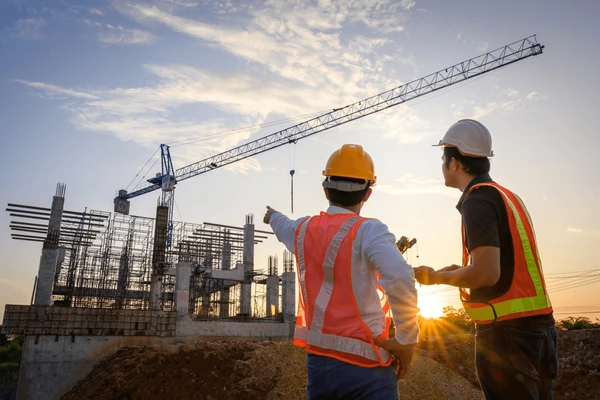
In the UK, there is a growing emphasis on achieving Biodiversity Net Gain (BNG) in construction projects. This means that developers must ensure that new projects leave the natural environment in a better state than before. Such practices are essential in protecting local flora and fauna while promoting a healthier living environment for residents. Integrating green spaces and preserving natural habitats can transform construction projects into assets that contribute positively to environmental conservation.
Empowering Communities Through Education and Training
Education and skill development are critical to maximising the positive impact of construction projects on local communities. By providing training opportunities, construction companies can equip residents with the skills needed to participate in projects, either as skilled labour or in managerial roles. This investment in human capital not only improves the quality of construction but also enables community members to gain stable employment and career advancement opportunities.
Furthermore, construction projects can partner with educational institutions to create apprenticeship programmes and vocational training courses. Such initiatives ensure that the local workforce is well-prepared to meet the demands of the industry while contributing to the community’s overall development. Empowering individuals with education and skills strengthens the local talent pool and creates a sustainable cycle of growth and development.
By focusing on quality construction, communities can experience a transformative impact that goes beyond physical structures. Through economic support, social cohesion, environmental responsibility, and educational empowerment, these projects build stronger, more resilient communities that can thrive well into the future.
Comments are closed.