

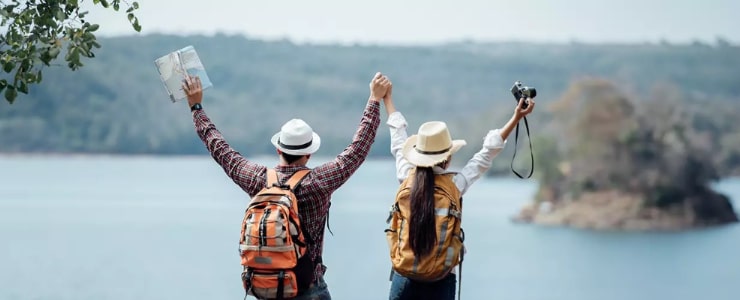
Planning a trip doesn’t have to feel overwhelming. With a structured approach, you can organize transportation, accommodation, activities, and budgets efficiently—while leaving room for spontaneity and enjoyment. This step-by-step guide walks you through everything you need to prepare a smooth and memorable journey from start to finish.
Step 1: Decide Your Destination 🎯
The first decision shapes everything else: budget, timing, packing, and experiences.
Ask yourself:
- Do you want relaxation, adventure, culture, or nature?
- Are you traveling solo, with family, or friends?
- How far are you willing to travel?
- What weather conditions do you prefer?
Research seasonal conditions and major local events to avoid unexpected crowds or closures.
Step 2: Set a Realistic Travel Budget 💰
Budget planning keeps your trip enjoyable instead of stressful.
Include:
- Flights or transportation
- Accommodation
- Food and drinks
- Activities and entry tickets
- Local transportation
- Shopping and emergency buffer
Tip: Always reserve at least 10–15% extra for unexpected expenses.
Step 3: Choose Travel Dates Wisely 📅
Your travel timing affects cost, crowd levels, and experience quality.
Consider:
- Peak vs off-season pricing
- Weather conditions
- Local festivals and holidays
- Work or academic schedules
Traveling during shoulder seasons often offers the best balance between affordability and comfort.
Step 4: Book Transportation Early 🚆
Secure your major transportation first.
Options may include:
- Flights
- Trains
- Buses
- Rental vehicles
Booking early helps you:
- Lock lower prices
- Choose better seats
- Avoid last-minute stress
Always compare multiple booking platforms before confirming.
Step 5: Reserve Accommodation 🏨
Accommodation should match your travel style and priorities.
Popular choices include:
- Hotels
- Guesthouses
- Hostels
- Vacation rentals
- Homestays
When selecting accommodation, check:
- Location convenience
- Safety ratings
- Transport accessibility
- Guest reviews
- Cancellation policies
Staying near central transport hubs often saves time and money.
Step 6: Plan Your Daily Activities 🗺️
Create a flexible itinerary instead of a rigid schedule.
Start by listing:
- Must-visit attractions
- Local food experiences
- Cultural sites
- Outdoor activities
- Shopping areas
Then organize them geographically to minimize travel time between locations.
Pro tip: Plan only 2–3 major activities per day to avoid exhaustion.
Step 7: Prepare Important Documents 📄
Keep digital and physical copies of essential travel documents.
Carry:
- Passport or ID
- Tickets and confirmations
- Travel insurance
- Visa (if required)
- Emergency contacts
Store backups on your phone and cloud storage for easy access.
Step 8: Pack Smart and Light 🎒
Packing efficiently improves mobility and comfort.
Essential packing tips:
- Check destination weather forecast
- Pack versatile clothing layers
- Carry essential medications
- Keep chargers and adapters ready
- Leave space for souvenirs
Use packing cubes to stay organized and reduce luggage clutter.
Step 9: Arrange Local Transportation 🚕
Research transport options available at your destination.
Examples:
- Metro systems
- Buses
- Ride-sharing services
- Bicycle rentals
- Walking routes
Download offline maps before departure for convenience.
Step 10: Inform Your Bank and Stay Connected 📱
Before traveling:
- Activate international payments if needed
- Notify your bank about travel dates
- Carry backup payment methods
- Arrange local SIM or roaming plan
Reliable connectivity improves navigation, safety, and communication.
Step 11: Purchase Travel Insurance 🛡️
Travel insurance protects you from unexpected disruptions.
Coverage may include:
- Medical emergencies
- Trip cancellations
- Lost luggage
- Delayed flights
This small investment can prevent major financial stress.
Step 12: Leave Room for Flexibility 🌍
Not everything needs planning.
Some of the best travel moments happen when you:
- Explore hidden streets
- Try spontaneous food stops
- Accept local recommendations
- Change plans based on weather
Balance structure with freedom for a richer experience.
FAQ: Trip Planning Essentials
1. How far in advance should I start planning a trip?
For domestic trips, planning 4–6 weeks ahead works well. International trips often require 2–4 months preparation, especially if visas are involved.
2. What is the most important step when planning a trip?
Setting a realistic budget early helps guide all other decisions, including destination, duration, and accommodation.
3. Should I book everything before leaving?
Major items like flights and accommodation should be booked in advance. Activities can remain partially flexible.
4. How do I choose the right accommodation location?
Stay close to public transport, major attractions, or city centers to reduce commuting time and costs.
5. Is travel insurance necessary for short trips?
Even short trips benefit from travel insurance because unexpected medical or transportation issues can occur anytime.
6. What apps are helpful during travel planning?
Offline maps, translation tools, expense trackers, and itinerary planners make travel smoother and more organized.
7. How can I avoid overpacking?
Plan outfits in advance, check weather forecasts, and prioritize versatile clothing items that can be reused in multiple combinations.
Planning a trip step-by-step transforms travel from stressful preparation into an exciting part of the adventure itself. With thoughtful organization and a little flexibility, every journey becomes easier, safer, and far more enjoyable. 🌟
Comments are closed.