

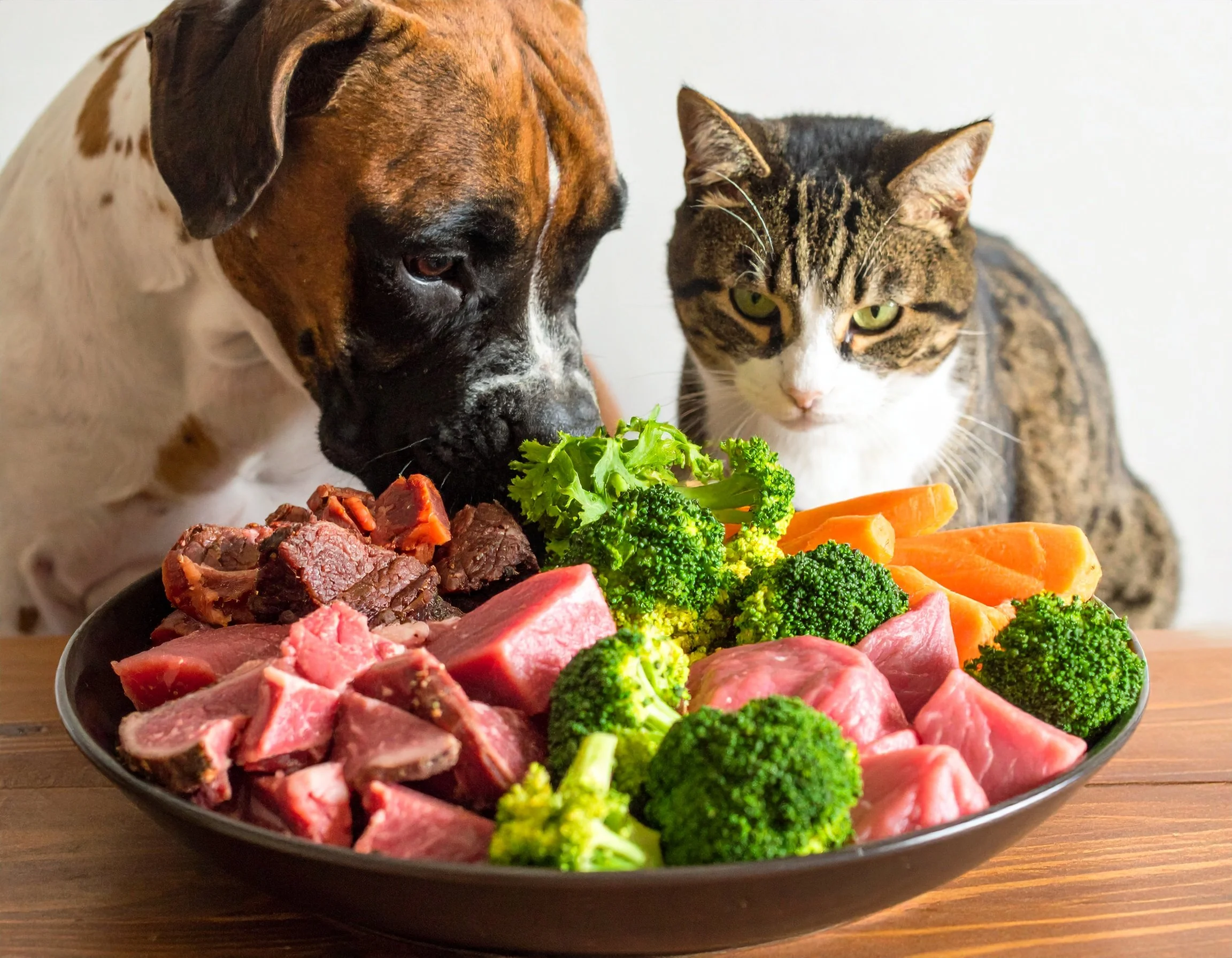
Protein is one of the most essential nutrients in a pet’s daily diet. Whether you care for a playful puppy, an energetic adult cat, or a senior companion animal, the right amount and quality of protein directly influence growth, strength, immunity, and overall vitality. Understanding how protein functions in pet nutrition helps owners make smarter feeding choices that support long-term health rather than short-term satisfaction.
Why Protein Matters in Pet Nutrition
Protein serves as the primary structural building block in a pet’s body. It is made up of amino acids that support nearly every biological process, from muscle formation to immune response.
Key functions of protein include:
- Supporting muscle growth and repair
- Maintaining healthy skin and coat
- Strengthening the immune system
- Producing enzymes and hormones
- Providing energy when needed
Unlike carbohydrates, protein cannot be stored in large reserves inside the body. This makes daily intake especially important for pets at every life stage.
Essential Amino Acids and Their Role
Proteins are composed of amino acids, some of which pets cannot produce on their own. These are called essential amino acids, and they must come directly from food.
Dogs require ten essential amino acids, while cats require eleven—including taurine, which is critical for heart and eye health. A taurine deficiency can lead to serious medical conditions in cats if not corrected early.
High-quality pet diets ensure these amino acids are present in appropriate proportions.
Animal-Based vs Plant-Based Protein Sources
Not all protein sources provide equal nutritional value. The digestibility and amino acid profile determine how beneficial a protein source is for pets.
Animal-Based Proteins
Common sources include:
- Chicken
- Fish
- Lamb
- Eggs
- Turkey
These sources typically offer complete amino acid profiles, making them ideal for most pets—especially cats, which are obligate carnivores.
Plant-Based Proteins
Examples include:
- Soy
- Lentils
- Peas
- Chickpeas
While plant proteins can contribute to total intake, they are often less biologically complete compared to animal proteins. However, when carefully balanced, they can still support healthy canine diets.
Protein Requirements by Life Stage
Protein needs change as pets grow and age. Feeding the same diet throughout a pet’s lifetime may not support optimal health.
Puppies and Kittens
Young animals need higher protein levels because they are building muscle, bone, and organ systems rapidly. Adequate intake supports:
- Brain development
- Tissue formation
- Strong immune function
Adult Pets
Adult dogs and cats require protein primarily for maintenance and repair. Balanced intake helps sustain:
- Lean muscle mass
- Stable metabolism
- Healthy coat condition
Senior Pets
Older pets often benefit from moderate to high-quality protein, contrary to outdated advice suggesting reduction. Proper protein intake helps:
- Preserve mobility
- Prevent muscle loss
- Support organ function
Veterinary guidance is recommended when adjusting senior diets.
Signs Your Pet May Need More Protein
Pets sometimes show subtle indicators when their diet lacks adequate protein.
Watch for:
- Dull or thinning coat
- Reduced activity levels
- Unexplained weight loss
- Slow wound healing
- Muscle weakness
If these signs appear, evaluating dietary protein quality—not just quantity—can make a noticeable difference.
How Much Protein Does Your Pet Actually Need?
Protein requirements vary based on:
- Species
- Age
- Activity level
- Breed size
- Health conditions
As a general guideline:
- Dogs typically need 18–25% protein in their diet
- Cats usually require 26–40% protein
Working dogs, athletic breeds, and pregnant animals often need higher levels to meet energy demands.
Choosing High-Quality Protein in Pet Food
Selecting the right pet food involves more than checking the protein percentage printed on packaging.
Look for:
- Clearly listed named meat sources (e.g., chicken, lamb)
- Balanced amino acid profiles
- Minimal artificial fillers
- Transparent ingredient labeling
- Diets suited to your pet’s life stage
A well-formulated protein source supports digestion, absorption, and long-term wellness.
Can Pets Get Too Much Protein?
Healthy pets typically tolerate higher protein levels well. However, excessive intake without balance may strain animals with pre-existing kidney conditions.
For most pets:
- Quality matters more than quantity
- Balanced formulations prevent nutrient overload
- Veterinary consultation ensures safe adjustments
Protein itself rarely causes health issues when included as part of a complete diet.
The Link Between Protein and Energy Levels ⚡
Protein contributes to sustained energy by stabilizing metabolism and supporting muscle efficiency. Active pets benefit especially from adequate intake because it helps maintain endurance and recovery.
Pets consuming sufficient protein often display:
- Better stamina
- Stronger muscles
- Faster recovery after activity
- Improved alertness and engagement
Balanced nutrition translates into visible vitality.
Supporting Coat and Skin Health Through Protein
A pet’s coat is often the first indicator of dietary quality. Since hair is largely composed of protein, insufficient intake can quickly affect appearance and comfort.
Adequate protein helps maintain:
- Glossy fur texture
- Reduced shedding
- Strong skin barrier function
- Resistance to irritation
Owners frequently notice improvements within weeks after upgrading diet quality.
Frequently Asked Questions (FAQs)
1. Does dry food contain enough protein for pets?
Yes, many dry foods provide adequate protein when formulated properly. Always check ingredient quality rather than relying only on protein percentages.
2. Is raw meat better than cooked protein sources?
Raw diets can provide high-quality protein but also carry contamination risks. Balanced commercial formulations are usually safer unless raw feeding is supervised carefully.
3. Do indoor pets need less protein than outdoor pets?
Indoor pets may need slightly fewer calories, but they still require consistent protein intake for muscle maintenance and immune health.
4. Can protein improve a pet’s behavior?
Adequate protein supports stable energy levels and brain function, which can indirectly influence mood and responsiveness.
5. Are grain-free diets higher in protein?
Not always. Some grain-free foods replace grains with legumes instead of increasing animal protein content.
6. How quickly can diet-related protein deficiencies be corrected?
Visible improvements such as coat shine and activity levels may appear within a few weeks once proper nutrition is restored.
7. Should pets with allergies avoid certain protein sources?
Yes. Some pets react to specific proteins like chicken or beef. Switching to alternative sources such as fish or lamb often helps manage sensitivities.
Comments are closed.