

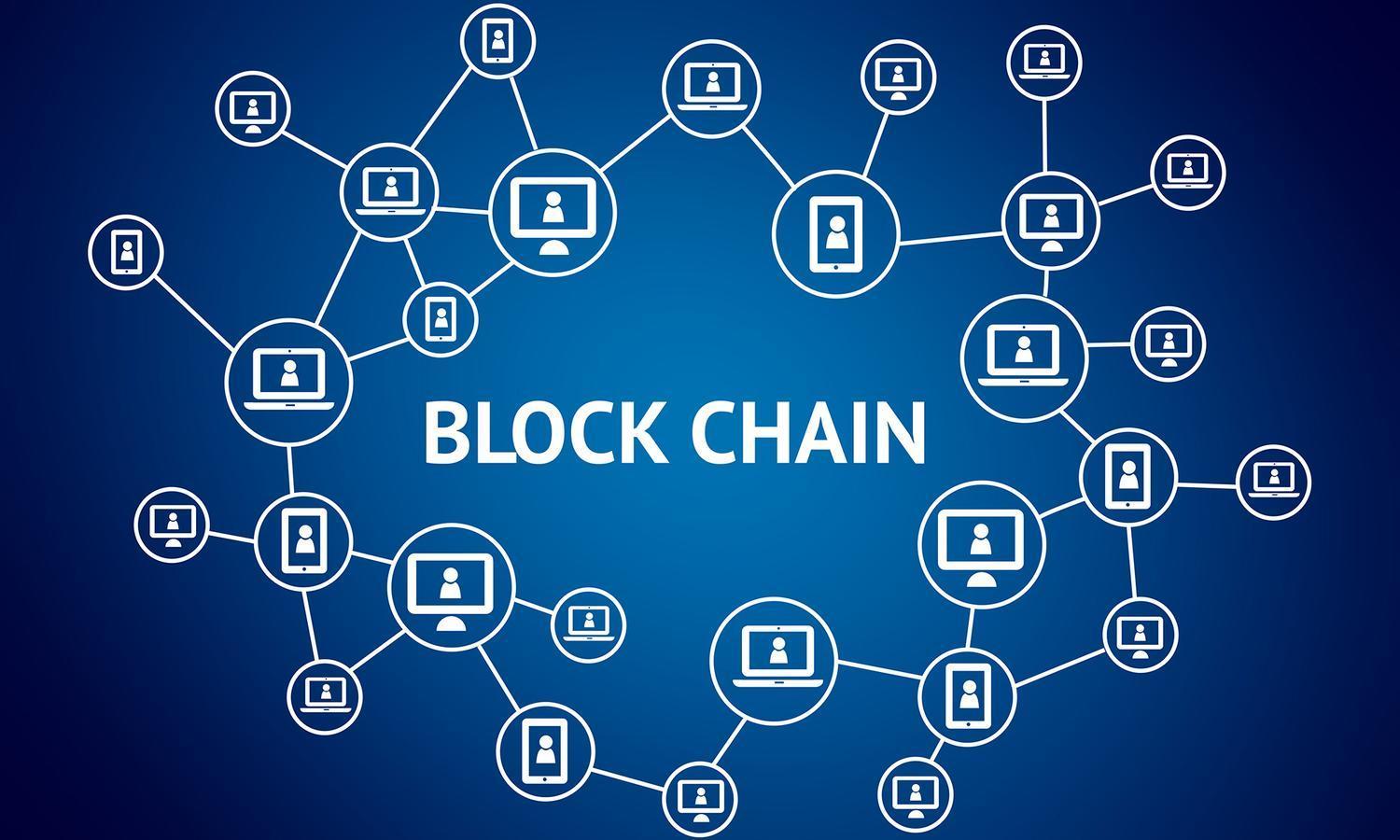
Blockchain is no longer limited to cryptocurrencies. It has evolved into a foundational technology reshaping how organizations store data, verify transactions, and build trust across digital systems. By enabling secure, transparent, and decentralized record-keeping, blockchain is transforming operations across multiple industries.
From finance to healthcare and supply chains to entertainment, businesses are adopting blockchain to reduce costs, increase transparency, and improve efficiency.
What Makes Blockchain Transformative
Traditional systems rely on centralized databases controlled by a single authority. Blockchain replaces this structure with a distributed ledger shared across multiple participants.
Key characteristics that make blockchain impactful include:
- Decentralization, reducing dependence on intermediaries
- Transparency, allowing shared verification of transactions
- Security, using cryptographic protection
- Immutability, preventing unauthorized data alteration
- Automation, through smart contracts
These features allow organizations to operate with higher trust and lower operational friction.
Blockchain in Financial Services
The financial industry was among the earliest adopters of blockchain technology. Today, banks and fintech companies are using it to streamline payments and strengthen transaction security.
Major improvements include:
- Faster cross-border payments
- Reduced transaction fees
- Real-time settlement systems
- Fraud prevention through transparent ledgers
- Secure digital identity verification
Blockchain reduces the need for multiple intermediaries, which significantly improves efficiency in financial transactions.
Supply Chain Management Becomes More Transparent
Supply chains involve multiple stakeholders across different regions. Tracking products across these stages can be complex and error-prone.
Blockchain improves supply chain visibility by enabling:
- Real-time product tracking
- Verification of product authenticity
- Reduction in counterfeit goods
- Improved inventory management
- Faster recall processes when issues occur
This transparency builds trust between suppliers, manufacturers, distributors, and consumers.
Healthcare Gains Secure Data Sharing Systems
Healthcare systems handle sensitive patient information that must remain accurate and secure. Blockchain offers a safer way to manage medical records across institutions.
Benefits for healthcare include:
- Secure patient data storage
- Faster medical record access
- Improved coordination between providers
- Protection against unauthorized data changes
- Reliable tracking of pharmaceutical supply chains
Blockchain supports both privacy protection and operational efficiency in healthcare environments.
Smart Contracts Improve Business Automation
Smart contracts are self-executing agreements stored on blockchain networks. They automatically trigger actions when predefined conditions are met.
Organizations benefit from smart contracts through:
- Reduced paperwork
- Faster transaction processing
- Lower administrative costs
- Improved agreement accuracy
- Elimination of third-party verification delays
These automated processes are especially useful in insurance, logistics, and legal documentation workflows.
Retail and E-Commerce Strengthen Consumer Trust
Retail businesses are increasingly using blockchain to verify product authenticity and improve payment systems.
Applications in retail include:
- Authenticity tracking for luxury products
- Transparent sourcing of raw materials
- Secure digital payment systems
- Loyalty program improvements
- Protection against counterfeit marketplaces
Consumers benefit from greater confidence in the products they purchase.
Real Estate Transactions Become Faster and Safer
Real estate processes traditionally involve extensive documentation and intermediaries. Blockchain simplifies these procedures through secure digital verification systems.
Key advantages include:
- Faster ownership transfers
- Transparent property history tracking
- Reduced paperwork requirements
- Lower transaction costs
- Fraud prevention through verified records
Blockchain creates a more efficient environment for both buyers and sellers.
Media and Entertainment Gain Better Rights Protection
Digital content creators often face challenges protecting ownership and receiving fair compensation. Blockchain introduces transparent tracking of intellectual property usage.
Improvements include:
- Verified ownership records
- Fair royalty distribution
- Reduced unauthorized content sharing
- Transparent licensing agreements
- Direct creator-to-audience transactions
This technology supports a more balanced ecosystem for creators and distributors.
Government Services Improve Transparency
Governments are exploring blockchain to strengthen accountability and streamline administrative systems.
Potential applications include:
- Secure digital identity programs
- Transparent voting systems
- Public record verification
- Tax reporting efficiency
- Welfare distribution monitoring
Blockchain helps reduce corruption risks while improving service delivery.
Challenges Slowing Blockchain Adoption
Despite its advantages, blockchain adoption still faces several obstacles.
Common challenges include:
- Regulatory uncertainty
- High implementation costs
- Limited technical expertise
- Integration complexity with legacy systems
- Energy consumption concerns in some blockchain networks
Organizations must address these issues before large-scale deployment becomes universal.
The Future Role of Blockchain Across Industries
Blockchain is expected to become a core infrastructure technology supporting digital trust across sectors. As scalability improves and regulations become clearer, adoption will likely accelerate.
Future developments may include:
- Stronger digital identity systems
- Cross-industry data sharing platforms
- Expansion of decentralized finance services
- Growth of tokenized assets
- Increased automation through advanced smart contracts
Industries that adopt blockchain early are better positioned to benefit from its long-term efficiency gains.
Frequently Asked Questions (FAQs)
1. Is blockchain only useful for cryptocurrencies?
No. While cryptocurrencies introduced blockchain to the public, the technology now supports applications in finance, healthcare, logistics, governance, and digital identity systems.
2. How does blockchain improve trust between organizations?
Blockchain creates shared, tamper-resistant records that multiple parties can verify independently, reducing disputes and improving transparency.
3. Can small businesses benefit from blockchain technology?
Yes. Small businesses can use blockchain for secure payments, supply chain tracking, and protecting digital assets without relying heavily on intermediaries.
4. Does blockchain eliminate the need for traditional databases?
Not entirely. Many organizations use blockchain alongside traditional databases depending on their operational needs.
5. Are blockchain systems always public and open to everyone?
No. Some blockchain networks are private or permission-based and designed specifically for enterprise environments.
6. How secure is blockchain compared to traditional systems?
Blockchain uses cryptographic verification and distributed storage, making unauthorized alterations significantly more difficult than in centralized systems.
7. Which industries are likely to adopt blockchain next?
Education, energy management, digital identity services, and logistics infrastructure are among the sectors expected to expand blockchain adoption in the coming years.
Comments are closed.