

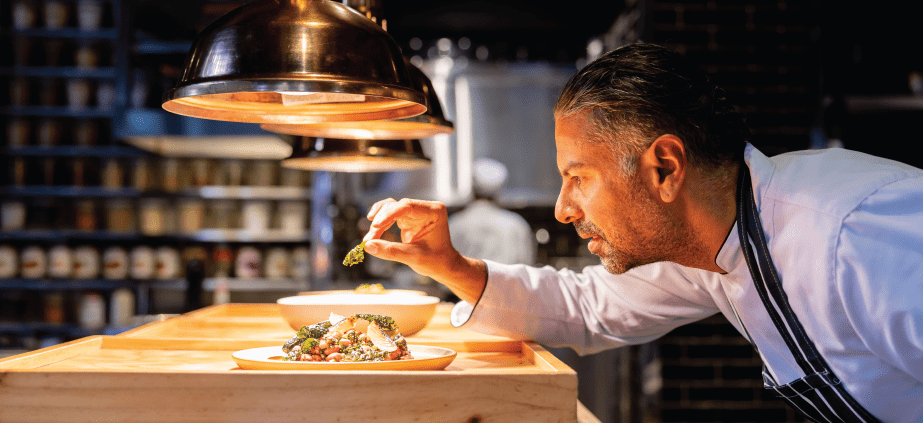
In everyday conversation, the words chef and cook are often used interchangeably. However, in professional kitchens and the culinary industry, they represent different roles, responsibilities, levels of training, and career paths. Understanding this distinction helps clarify how kitchens operate and how culinary professionals grow within the field 👨🍳🍳.
This article explains the clear differences between a chef and a cook, including qualifications, responsibilities, hierarchy, creativity, and career expectations.
What Is a Chef?
A chef is a trained culinary professional who typically leads a kitchen, designs menus, manages staff, and oversees food quality and presentation. The term comes from the French phrase chef de cuisine, meaning head of the kitchen.
Chefs usually combine technical cooking expertise with leadership and organizational skills.
Key Responsibilities of a Chef
A chef’s role extends far beyond preparing food. Their responsibilities often include:
- Creating and planning menus
- Supervising kitchen staff
- Managing food inventory and budgeting
- Maintaining hygiene and safety standards
- Training junior cooks
- Ensuring consistency in taste and presentation
- Coordinating with restaurant management
In many kitchens, chefs also shape the culinary identity and reputation of the establishment.
What Is a Cook?
A cook is someone who prepares food according to established recipes and instructions. While cooks may be highly skilled, their primary focus is execution rather than leadership or kitchen management.
Cooks are essential to the daily operation of restaurants, hotels, cafés, and catering services.
Key Responsibilities of a Cook
Typical duties of a cook include:
- Preparing ingredients
- Cooking dishes according to recipes
- Operating kitchen equipment
- Maintaining cleanliness in work areas
- Following instructions from chefs or supervisors
- Ensuring timely food preparation
Cooks ensure the kitchen runs efficiently during service hours.
Education and Training Differences
One of the biggest distinctions between chefs and cooks lies in formal training and professional development.
Chef Training
Many chefs:
- Attend culinary school
- Complete apprenticeships
- Gain certifications
- Train in multiple cuisines
- Develop leadership skills
Their learning path often focuses on management, creativity, and advanced culinary techniques.
Cook Training
Cooks typically learn through:
- On-the-job training
- entry-level kitchen roles
- vocational programs
- mentorship from chefs
While some cooks attend culinary institutes, formal education is not always required.
Kitchen Hierarchy: Where Each Role Fits
Professional kitchens operate with a structured hierarchy.
A simplified example:
- Executive Chef
- Sous Chef
- Chef de Partie (Station Chef)
- Line Cook
- Prep Cook
Chefs usually occupy supervisory or specialized leadership positions, while cooks work within assigned preparation stations.
Creativity and Decision-Making Authority
Another major difference lies in creative control.
Chefs typically:
- design dishes
- experiment with flavors
- innovate menus
- adjust recipes
- lead presentation standards
Cooks typically:
- follow recipes
- maintain consistency
- execute instructions precisely
- support production efficiency
Creativity grows with experience, and many cooks eventually transition into chef roles 📚.
Leadership Responsibilities
Leadership is a defining trait of chefs.
Chefs often:
- manage teams
- coordinate kitchen workflow
- resolve service challenges
- mentor junior staff
- maintain kitchen discipline
Cooks usually focus on individual task performance rather than team supervision.
Salary and Career Growth
Because chefs carry more responsibility, they generally earn higher salaries than cooks.
Career progression often follows this path:
Prep Cook → Line Cook → Senior Cook → Sous Chef → Head Chef → Executive Chef
With experience and training, cooks can advance into leadership positions over time.
Work Environment Expectations
Both chefs and cooks work in fast-paced environments, but expectations differ.
Chefs are responsible for:
- overall kitchen performance
- menu success
- customer satisfaction
- staff productivity
Cooks are responsible for:
- accurate preparation
- speed
- consistency
- teamwork
Each role contributes differently to kitchen success.
Professional Recognition and Authority
The title chef is considered a mark of professional achievement in the culinary world.
It usually indicates:
- advanced expertise
- leadership capability
- menu development experience
- kitchen management authority
The title cook reflects strong technical ability but typically without administrative authority.
Can a Cook Become a Chef?
Yes—and many chefs begin their careers as cooks.
Progression usually involves:
- gaining kitchen experience
- learning advanced techniques
- developing leadership skills
- understanding kitchen operations
- pursuing culinary education (optional but helpful)
Dedication and consistency often matter more than formal titles early in a culinary career.
Why the Difference Matters
Understanding the distinction helps:
- restaurants assign responsibilities clearly
- culinary students set career goals
- employers structure kitchen teams effectively
- customers appreciate kitchen leadership roles
Both chefs and cooks are essential to successful food service operations 🍽️.
FAQs About the Difference Between a Chef and a Cook
1. Is every chef also a cook?
Yes. Every chef knows how to cook, but not every cook holds the responsibilities or authority of a chef.
2. Do chefs always attend culinary school?
No. Many chefs are self-trained through experience, apprenticeships, and mentorship in professional kitchens.
3. Can someone be called a chef at home?
Informally, yes. Professionally, the title usually refers to someone who manages or leads a kitchen.
4. Which role has more responsibility during restaurant service?
Chefs typically carry greater responsibility because they oversee workflow, quality, and team coordination.
5. Are cooks allowed to create new dishes in restaurants?
Usually only senior cooks or chefs design menu items, though creative suggestions from cooks are often welcomed.
6. Is the salary difference between chefs and cooks significant?
Yes. Chefs generally earn more because they handle leadership, planning, and operational management duties.
7. How long does it take to become a chef?
It varies widely. Many professionals take several years of kitchen experience before earning a chef-level position.
Comments are closed.