

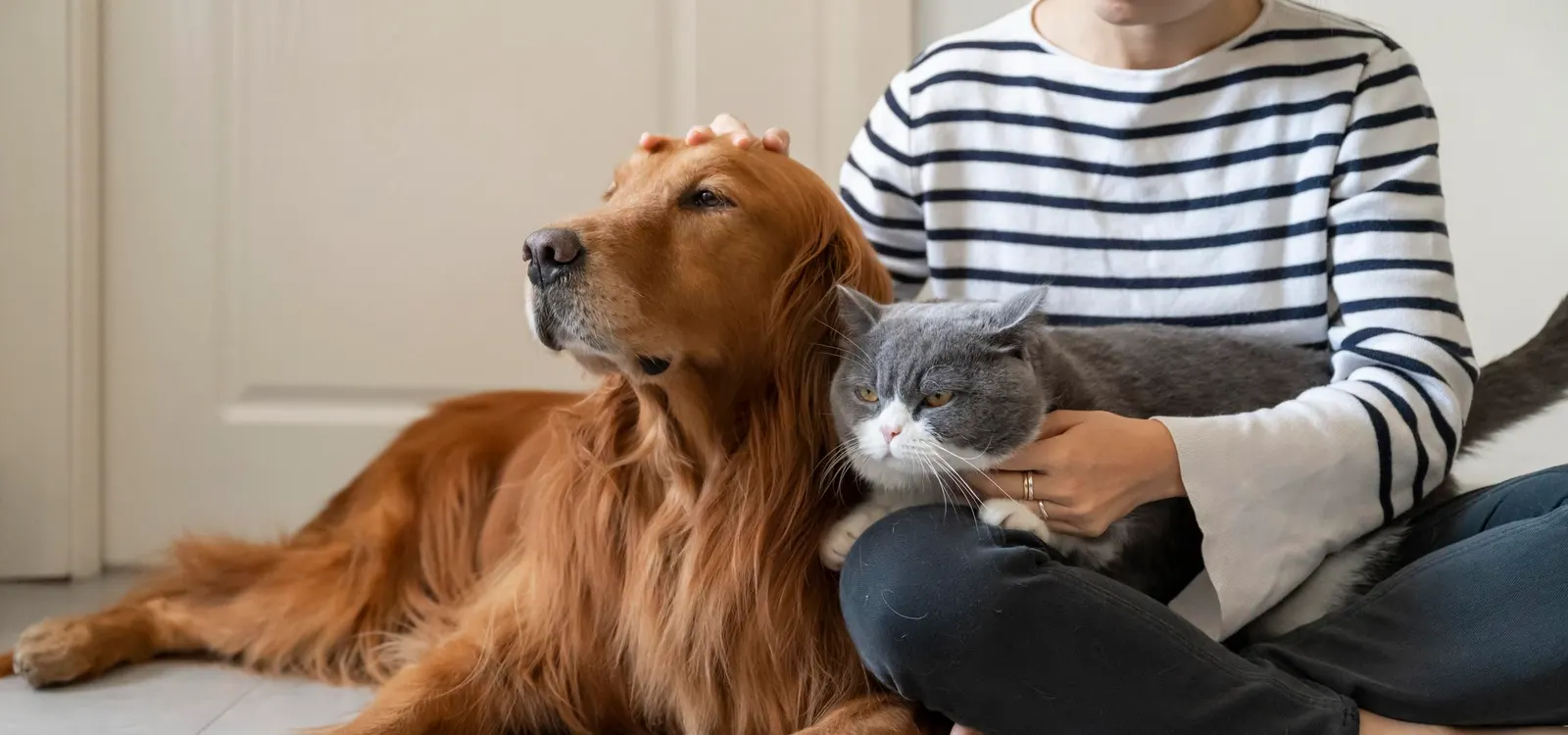
Creating a healthy lifestyle for pets goes beyond feeding them on time. It involves thoughtful routines, balanced nutrition, regular activity, emotional support, and preventive healthcare. When these elements work together, pets live longer, stay active, and remain emotionally connected with their families.
A well-structured lifestyle helps prevent many common health issues while improving your pet’s daily comfort and behavior.
Provide Balanced and Consistent Nutrition
Nutrition is the foundation of long-term pet health. A complete diet supports growth, organ function, immune strength, and energy levels.
To maintain healthy nutrition:
- Choose age-appropriate food formulas
- Include high-quality protein sources
- Maintain regular feeding schedules
- Avoid excessive treats and table scraps
- Ensure access to fresh, clean drinking water
Consistency in feeding routines helps regulate digestion and prevents unnecessary weight gain.
Encourage Daily Physical Activity 🦴
Exercise keeps pets physically strong and mentally stimulated. It also reduces boredom-related behaviors such as chewing furniture or excessive barking.
Healthy activity options include:
- Walking dogs regularly
- Interactive indoor play sessions
- Puzzle toys for mental stimulation
- Outdoor exploration in safe spaces
- Short training-based games
Even indoor pets benefit from structured play sessions that keep their muscles active and minds engaged.
Maintain Routine Veterinary Care
Preventive healthcare is essential for detecting health concerns early. Regular checkups allow professionals to monitor changes that owners might not notice immediately.
Important veterinary care habits include:
- Annual wellness examinations
- Vaccination updates
- Parasite prevention programs
- Dental health assessments
- Weight monitoring
Early detection often leads to simpler treatment and better outcomes.
Support Emotional Well-Being and Social Interaction ❤️
Pets thrive on companionship. Emotional health influences physical wellness more than many owners realize.
You can strengthen emotional stability by:
- Spending dedicated time together daily
- Maintaining predictable routines
- Providing safe resting spaces
- Offering gentle physical affection
- Avoiding long periods of isolation
Confident and emotionally secure pets usually display fewer behavioral problems.
Keep Grooming and Hygiene a Priority
Regular grooming prevents infections and improves comfort. It also allows owners to detect skin concerns early.
Healthy grooming habits include:
- Brushing fur according to coat type
- Cleaning ears carefully
- Trimming nails regularly
- Bathing when necessary
- Checking skin for irritation or parasites
Routine hygiene keeps pets comfortable and reduces the risk of preventable illnesses.
Create a Safe and Comfortable Living Environment
A pet-friendly home environment supports both safety and relaxation. Small adjustments can greatly improve daily comfort.
Consider these improvements:
- Provide clean bedding
- Keep toxic foods and plants out of reach
- Ensure safe indoor temperatures
- Remove sharp or harmful objects
- Maintain quiet rest areas
Comfortable surroundings encourage better sleep and healthier behavior patterns.
Maintain a Healthy Weight
Weight management is one of the most important lifestyle factors affecting pets today. Excess weight increases the risk of joint problems, diabetes, and heart conditions.
Healthy weight habits include:
- Measuring food portions accurately
- Avoiding frequent high-calorie treats
- Monitoring body shape regularly
- Adjusting diet based on activity levels
Even small adjustments can significantly improve long-term health outcomes.
Build a Predictable Daily Routine 📅
Pets feel more secure when they know what to expect each day. Routine supports emotional stability and improves cooperation during training and grooming.
A structured routine may include:
- Fixed feeding times
- Regular walks or play sessions
- Consistent sleep schedules
- Planned grooming intervals
- Scheduled social interaction
Predictability creates confidence and reduces stress-related behaviors.
Encourage Mental Stimulation
Mental engagement keeps pets curious, alert, and emotionally balanced. Without stimulation, boredom can lead to destructive habits.
Simple enrichment ideas include:
- Rotating toys weekly
- Teaching new commands
- Introducing scent-based games
- Offering treat-dispensing toys
- Creating exploration opportunities indoors
Mental exercise is just as valuable as physical activity for overall wellness.
Frequently Asked Questions (FAQs)
1. How many hours of sleep do pets need each day?
Dogs typically sleep 12–14 hours daily, while cats may sleep up to 16 hours depending on age and activity level.
2. How often should pets have their living areas cleaned?
Food bowls should be cleaned daily, bedding weekly, and litter or resting spaces as needed to maintain hygiene.
3. Can indoor pets live as healthy as outdoor pets?
Yes. With proper exercise, enrichment, and nutrition, indoor pets can maintain excellent health.
4. What role does sunlight play in pet wellness?
Moderate sunlight exposure supports mood regulation and helps maintain natural sleep cycles.
5. How can owners recognize early signs of stress in pets?
Common indicators include hiding, excessive licking, appetite changes, and unusual vocalization patterns.
6. Is it necessary to adjust routines during seasonal changes?
Yes. Temperature shifts, daylight variation, and activity levels may require adjustments in exercise and feeding.
7. How important is hydration for maintaining a healthy lifestyle?
Proper hydration supports digestion, temperature regulation, and organ function, making it essential every day.
Comments are closed.